





















































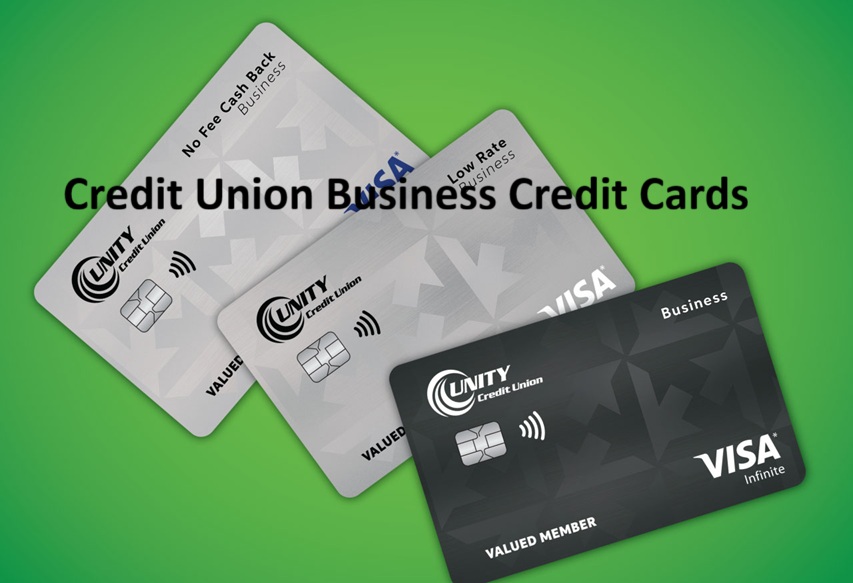
Running a business comes with a lot of financial responsibilities. From managing cash flow to investing in growth opportunities, having the right financial tools can make a huge difference. One tool that often gets overlooked is the business credit card, particularly those offered by credit unions. Credit union business credit cards provide unique benefits that traditional banks might not offer, making them an excellent choice for small business owners and entrepreneurs. In this article, we’ll dive deep into the world of credit union business credit cards, exploring their benefits, features, and how to choose the right one for your business.
What Are Credit Union Business Credit Cards?
At its core, a credit union business credit card is similar to a standard business credit card issued by a bank. However, the primary difference lies in the institution that issues it. Credit unions are member-owned financial cooperatives, meaning they’re designed to serve the interests of their members rather than maximize profits for shareholders.
How They Differ from Bank Credit Cards
Unlike traditional bank credit cards, credit union cards often come with lower fees, better interest rates, and more flexible terms. This is because credit unions operate on a not-for-profit model. They prioritize helping members succeed financially rather than chasing profits. For business owners, this can translate into significant savings, especially if your business frequently relies on credit.
Another difference is that credit unions often provide more personalized service. Being a member of a credit union typically means you have access to staff who are genuinely invested in your financial success. This can be particularly valuable for small businesses that may need guidance in managing finances, credit limits, and payment strategies.
Who Can Benefit from Credit Union Business Credit Cards?
Credit union business credit cards are ideal for a range of business owners. Small businesses, startups, freelancers, and even larger companies with a tight focus on financial efficiency can benefit. These cards are particularly attractive to business owners who value lower interest rates, minimal fees, and the ability to build or improve business credit without excessive costs.
For those new to business credit, credit union cards often provide easier qualification requirements than banks. Many credit unions focus on helping local businesses grow and understand the challenges of obtaining credit as a small enterprise. This member-focused approach makes them more accessible to entrepreneurs who may not have an extensive credit history.
Key Benefits of Credit Union Business Credit Cards
Credit union business credit cards offer a unique mix of benefits that can help your business thrive. Let’s break down the main advantages.
Lower Interest Rates
One of the most appealing features of credit union business credit cards is lower interest rates. Many business credit cards issued by banks come with high annual percentage rates (APRs) that can add up quickly if you carry a balance. Credit unions, on the other hand, often offer rates that are several points lower.
This lower interest rate can save your business thousands of dollars annually, especially if you use your credit card for essential operational expenses like purchasing inventory or paying contractors. Over time, these savings can significantly impact your bottom line and free up cash flow for other investments.
Minimal Fees
Another major advantage is the reduced fee structure. Credit union cards often come with no annual fees, no foreign transaction fees, and fewer penalties for late payments. This contrasts sharply with bank-issued cards, which may charge high annual fees or penalize businesses with harsh penalties.
Additionally, credit unions are more likely to waive fees for loyal members or provide temporary relief during financial hardship. For small business owners navigating tight budgets, this flexibility is invaluable.
Rewards and Perks
Many credit union business credit cards offer rewards programs similar to those of major banks. These rewards can include cashback on purchases, travel points, or discounts on business services. While the rewards might not always be as extravagant as some bank credit cards, they are still meaningful and often come with fewer restrictions or hidden clauses.
Credit unions may also provide additional perks, such as business financial counseling, access to low-interest loans, and networking opportunities with other local business owners. These benefits make credit union business credit cards more than just a financial tool—they become a resource for growth and strategic planning.
How Credit Union Business Credit Cards Help Build Business Credit
Establishing and maintaining strong business credit is crucial for any entrepreneur. Credit union business credit cards can be an excellent tool for this purpose.
Reporting to Credit Bureaus
Most credit union business credit cards report your payment history and credit utilization to major business credit bureaus like Dun & Bradstreet, Experian, and Equifax. This reporting helps build a solid credit profile, which can improve your ability to secure loans, lines of credit, and favorable terms with vendors.
Consistently using your credit union business card responsibly—making on-time payments and keeping balances low—can significantly boost your credit score. Over time, a strong credit profile can open doors to higher credit limits and more substantial financing options for business expansion.
Separating Personal and Business Finances
Using a credit union business card also allows you to separate personal and business expenses. This separation is crucial for accurate accounting, tax reporting, and financial planning. By maintaining clear boundaries, you not only simplify bookkeeping but also protect your personal credit in case your business faces financial challenges.
Long-Term Financial Strategy
Credit union business credit cards can be integrated into a long-term financial strategy. By leveraging rewards, low fees, and interest-free periods effectively, business owners can manage cash flow, invest in growth opportunities, and create a safety net for unexpected expenses. When used strategically, these cards can become a cornerstone of your business’s financial health.
Features to Look for in a Credit Union Business Credit Card
Not all credit union business credit cards are created equal. To choose the best card for your business, you should consider several key features.
Interest Rates and APR
The interest rate is one of the most important factors. While credit unions generally offer lower rates than banks, it’s still crucial to compare different cards to find the most competitive APR. Some cards offer introductory 0% APR periods, which can be helpful for large purchases or temporary cash flow needs.
Rewards Programs
Evaluate the rewards programs offered. Look for cards that align with your business spending habits. For example, if your business involves frequent travel, a card offering travel points may be beneficial. For everyday operational expenses, cashback on purchases like office supplies or gas can be more practical.
Credit Limits and Flexibility
Consider the available credit limits and the card’s flexibility. Some credit union business cards offer adjustable credit limits based on your business performance and credit history. This flexibility can be useful for managing seasonal fluctuations in revenue or unexpected expenses.
Additional Benefits
Extra perks like expense tracking tools, employee card options, fraud protection, and concierge services can make a significant difference. Many credit unions also offer member-specific benefits like access to local business workshops or financial counseling. These additional features may not seem essential initially, but they can provide long-term value.
Tips for Applying for a Credit Union Business Credit Card
Applying for a credit union business credit card is straightforward, but a few strategies can improve your chances of approval and ensure you get the best possible terms.
Join the Credit Union
Since credit unions are member-based, the first step is joining one. Membership eligibility varies—some are community-based, while others cater to employees of certain organizations or members of specific associations. Check the eligibility requirements and apply for membership if necessary.
Prepare Your Business Documents
When applying, credit unions typically ask for basic business documentation. This might include your Employer Identification Number (EIN), business formation documents, financial statements, and possibly a personal credit check. Having these documents ready can speed up the application process and improve your chances of approval.
Compare Card Options
Even within a single credit union, multiple business credit card options may be available. Compare interest rates, fees, rewards, and additional perks to find the card that best fits your business needs. Don’t rush this decision—choosing the right card can have long-term financial implications.
Start Small
If you’re new to business credit, consider starting with a card that has a lower credit limit. This allows you to build a positive credit history without overextending your financial commitments. As your business grows and your credit profile strengthens, you can request higher limits or upgrade to a card with more benefits.
Common Myths About Credit Union Business Credit Cards
Despite their advantages, some misconceptions prevent business owners from exploring credit union business credit cards. Let’s address a few of the most common myths.
Myth 1: Only Small Businesses Can Apply
While credit union cards are often designed with small businesses in mind, medium and large businesses can also apply. Many credit unions offer cards with substantial credit limits and rewards suitable for larger operations.
Myth 2: Membership is Difficult to Obtain
Some people assume that joining a credit union is complicated. In reality, membership is usually straightforward. Many credit unions offer community-based membership, meaning anyone living, working, or studying in a particular area can join. Others allow membership through professional associations or family connections.
Myth 3: Rewards Are Inferior
While credit union business credit cards may not always match the extravagant rewards of major bank cards, they often come with fewer restrictions, lower fees, and more flexibility. In many cases, the overall value of a credit union card can exceed that of a bank card when considering long-term savings and member perks.
Conclusion
Credit union business credit cards are a powerful tool for business owners seeking lower costs, better service, and long-term financial growth. They offer competitive interest rates, minimal fees, rewards programs, and opportunities to build strong business credit. By choosing the right card and using it strategically, you can streamline your finances, manage cash flow, and position your business for success.
If you’re a small business owner or entrepreneur looking for a smarter way to manage your expenses and grow your business, exploring credit union business credit cards is an excellent place to start. With their member-focused approach, personalized service, and financial flexibility, these cards can become a cornerstone of your business strategy.