























































Early Life and the Fateful Meeting
Deborah DuBois came into the world in the early 1950s, right in the heart of Louisiana, where the air carries the scent of bayou and barbecue year-round. Exact details about her birth date and childhood remain scarce—she’s always kept those parts of her story close to the chest—but we know she grew up in a modest, everyday American setting. Think small-town vibes, family dinners, and the kind of grounded upbringing that builds character without fanfare. By her early twenties, around 1972 or 1973, she was working as a cashier at a local restaurant, handling the daily rush of customers with the steady hands that would later serve her so well through much harder times.
One ordinary day, a charismatic 33-year-old pilot named Adler Berriman “Barry” Seal walked in. He was on his way to a court hearing—already dipping into trouble with authorities over an attempt to smuggle military explosives—but he stopped for a meal anyway. Barry had that larger-than-life presence: confident, quick with a smile, and full of stories. Deborah DuBois , just 21 at the time, caught his eye immediately. What started as casual conversation turned into something electric. He asked her out right there, and she said yes. It was the kind of whirlwind romance that feels straight out of a movie—except this one was about to veer into real danger.
Their connection moved fast. Barry promised adventure and a break from the routine, and Deborah DuBois, young and ready for more than the daily grind, went along for the ride. At that point, she had no reason to suspect the depth of his double life. He presented himself as an aviation entrepreneur, someone who dealt in planes and deals, and the lifestyle reflected it: nice things, travel, excitement. Looking back, it’s clear how her background of resilience—likely shaped by a no-frills Louisiana upbringing—prepared her for what was coming, even if she didn’t know it yet. She wasn’t chasing fame or fortune; she was chasing love, and that choice pulled her into one of the most infamous chapters in American criminal history.
This meeting wasn’t just romantic— it was transformative. In the early 1970s, the drug trade was ramping up quietly, and Barry’s skills as a pilot made him a prime candidate for the Medellín Cartel. Deborah DuBois, though, saw a man who could provide stability and thrill. Their story began innocently enough, but it set the foundation for years of secrecy, luxury mixed with uncertainty, and the kind of loyalty that endures even when the truth unravels.
Marriage, Family, and the Hidden World
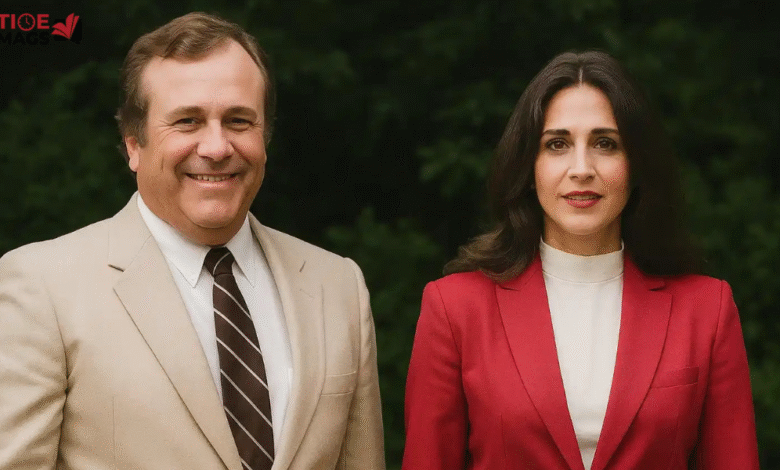
Deborah DuBois and Barry tied the knot around 1973 or 1974—sources sometimes differ on the precise year, but the commitment was real. She became his third wife; he had two previous marriages that ended in divorce, including one that produced two children. With Deborah DuBois, things felt different, more settled. They built a family together, welcoming three children: sons Aaron and Dean, and daughter Christina. These kids became the absolute center of her universe, especially as Barry’s absences grew longer and more mysterious.
Life during the marriage had two layers. On the surface, it was comfortable—very comfortable. Barry’s “business” brought in serious money: big house, nice cars, vacations that most families only dreamed about. Deborah DuBois ran the household like a pro, managing everything while Barry was off on what she believed were legitimate aviation jobs. She handled school schedules, family routines, and the everyday stuff that keeps a home humming. Barry shielded her from the worst details, and she didn’t push too hard. In that era, without constant news cycles or social media, it was easier to maintain that separation between home life and whatever happened out there.
But cracks existed, even if subtle. Barry’s trips stretched longer, the risks mounted, and by the mid-1980s, he was deeply entangled with the cartel while secretly working as a DEA informant. Deborah DuBois sensed something off—wives often do—but love and trust kept her from digging deeper. She focused on the kids, creating as much normalcy as possible amid the extravagance. Raising Aaron, Dean, and Christina meant shielding them from the shadows creeping closer, ensuring they had birthdays, school events, and a sense of security.
This period showcases her core strength: adaptability without complaint. She wasn’t naive forever, but she prioritized family stability over confrontation. When Barry’s world finally collided with reality—arrests, flips to the feds, escalating threats—she stood firm. The marriage wasn’t perfect, but it produced a tight-knit unit that survived what came next. Deborah DuBois role as the steady anchor allowed Barry to operate in his high-stakes game, yet she bore the emotional weight quietly and effectively.
Discovery, Betrayal, and the Turning Point
As the 1980s progressed, the truth about Barry’s activities became impossible to ignore. Deborah DuBois had believed he was a legitimate plane broker, but evidence piled up: news reports, his own admissions after becoming an informant, the constant federal scrutiny. Learning her husband had been smuggling massive quantities of cocaine for the Medellín Cartel—while also feeding information to the DEA—must have felt like the ground disappearing beneath her. Barry’s cooperation was his survival strategy after a bust, but it painted a target on the entire family.
The emotional fallout was profound. Trust eroded, replaced by fear, anger, and confusion. Deborah DuBois grappled with the realization that their comfortable life was built on illegal gains. She wasn’t involved in the crimes—accounts consistently describe her as unaware for much of the time—but she lived with the consequences. The kids were still young, so her priority shifted to protecting them from the chaos. No dramatic public breakdowns; just the private struggle of reconciling the man she loved with the one the world condemned.
This phase highlights the collateral damage of the drug war era. Families like Deborah DuBois paid the price for choices they didn’t make. She navigated it with remarkable poise, focusing on practical survival rather than bitterness. Barry’s informant status brought some protection, but it was fragile, and the dangers loomed large. Through it all, she remained the family’s rock, adapting to a reality that grew more precarious by the day.
When the full picture emerged, it tested everything. Yet Deborah DuBois response wasn’t revenge or retreat—it was endurance. She processed the betrayal privately, kept the household running, and prepared for whatever fallout followed. It’s a reminder that behind sensational headlines are real people dealing with shattered illusions and uncertain futures.
The Assassination and Immediate Aftermath
On February 19, 1986, everything changed forever. Barry Seal was gunned down in broad daylight outside a Salvation Army halfway house in Baton Rouge. Cartel hitmen, enraged by his testimony against them, carried out the execution with ruthless efficiency. He was supposedly under federal protection, but the safeguards failed spectacularly. At around 34 or 35 years old, Deborah DuBois became a widow overnight, left to raise three young children amid grief, fear, and sudden financial ruin.
The aftermath hit hard and fast. The government seized assets tied to Barry’s smuggling—properties, planes, cash—leaving the family with almost nothing from the millions that once flowed. Deborah DuBois relied on his life insurance payout for basics, a stark contrast to the luxury they’d known. Legal battles followed, including disputes over estate rights and the sale of Barry’s life story. She sold rights for a reported $350,000, which helped but sparked lawsuits from Barry’s daughter from his first marriage, who claimed the money belonged to the broader estate.
Emotionally, the loss was devastating. Barry’s death wasn’t just personal—it exposed the family to ongoing risks and public scrutiny. Deborah DuBois focused inward: mourning privately, shielding the kids, and rebuilding step by step. No remarriage, no chase for the spotlight. She moved toward a quieter existence, possibly staying in Louisiana, emphasizing healing over headlines.
This tragedy underscored the vulnerabilities of informant families. Federal promises of protection often fall short, and Deborah DuBois experience reflects that harsh reality. She handled the chaos with dignity, turning grief into determination to give her children stability.
Rebuilding and a Life of Privacy
After 1986, Deborah DuBois chose privacy above all else. She faded from public view deliberately, avoiding interviews and media traps. Her focus stayed on Aaron, Dean, and Christina, helping them grow into adults away from their father’s notoriety. Reports suggest she lived modestly—perhaps with her daughter Christina at times—prioritizing family bonds over anything flashy.
Financially, things stabilized but remained far from the old heights. Estimates of her net worth hover around $500,000, pieced together from insurance, the story rights sale, and careful living. Legal tangles, including dismissed lawsuits over movie rights, added stress but didn’t derail her. She worked through it quietly, embodying resilience in the everyday sense.
This era is about quiet reinvention. No tell-all books, no reality TV. Just a woman raising kids, managing life, and protecting what mattered most. Her silence amid true-crime fascination speaks volumes—it’s a choice for peace over profit.
Today, in her seventies, Deborah DuBois remains private, likely still in Louisiana. Her story continues to inspire as one of understated endurance, proving strength doesn’t always shout.
Cultural Echoes and Lasting Legacy
Deborah DuBois life gained wider attention through the 2017 film American Made, where Sarah Wright portrayed a fictionalized version named Lucy Seal. The movie captured some truths—like the financial crash after Barry’s death and family strains—but took liberties for drama, exaggerating confrontations and timelines. Deborah noted accuracies in the hardships but pointed out inventions that never happened. She received compensation for rights but stayed out of promotion, wary of renewed attention.
Culturally, she represents the overlooked human cost of the drug era and informant world. Her loyalty, then resilience, humanizes figures often reduced to headlines. While Barry’s legend persists in films and docs, Deborah’s quiet path highlights the real heroes: those who rebuild without seeking glory.
Her legacy lives in her children and the example of grace under pressure. In a world quick to sensationalize crime, she reminds us of the families left to carry on.
Deborah DuBois’s journey—from a chance restaurant encounter to widowhood and beyond—is one of profound resilience. She navigated love, deception, loss, and reinvention with unwavering focus on family. In the shadow of one of America’s most notorious figures, she carved her own path of quiet strength, proving that true fortitude often goes unnoticed but never unremarkable.
(FAQs) About Deborah DuBois
1.) Who is Deborah DuBois and how did she meet Barry Seal?
Deborah DuBois is the third wife of drug smuggler and DEA informant Barry Seal. She met him in the early 1970s while working as a restaurant cashier in Louisiana; he stopped in during a court-related trip, they connected instantly, and their romance led to marriage soon after.
2.) What happened to Deborah DuBois after Barry Seal was assassinated?
After Barry’s 1986 murder by Medellín Cartel hitmen, Deborah faced asset seizures by the government and financial hardship. She raised their three children modestly using life insurance proceeds, focused on family privacy, and avoided the public eye.
3.) How accurate was the portrayal of Deborah DuBois in the movie American Made?
In American Made (2017), her character Lucy (played by Sarah Wright) captured real elements like post-death struggles and family life but included dramatic exaggerations, such as invented confrontations. Deborah acknowledged some truths but noted many fictional additions for entertainment.
4.) Did Deborah DuBois know about Barry Seal’s criminal activities during their marriage?
Initially, no—she believed he was a legitimate aviation businessman. She learned the full extent gradually, especially after he became a DEA informant, though he kept many details hidden to protect her and the family.
5.) Where is Deborah DuBois now and what is her current status?
As of recent accounts into 2025-2026, Deborah DuBois is in her seventies, believed to be alive and living privately in Louisiana, possibly with her daughter Christina. She maintains a low profile, focusing on family and steering clear of media attention.