






















































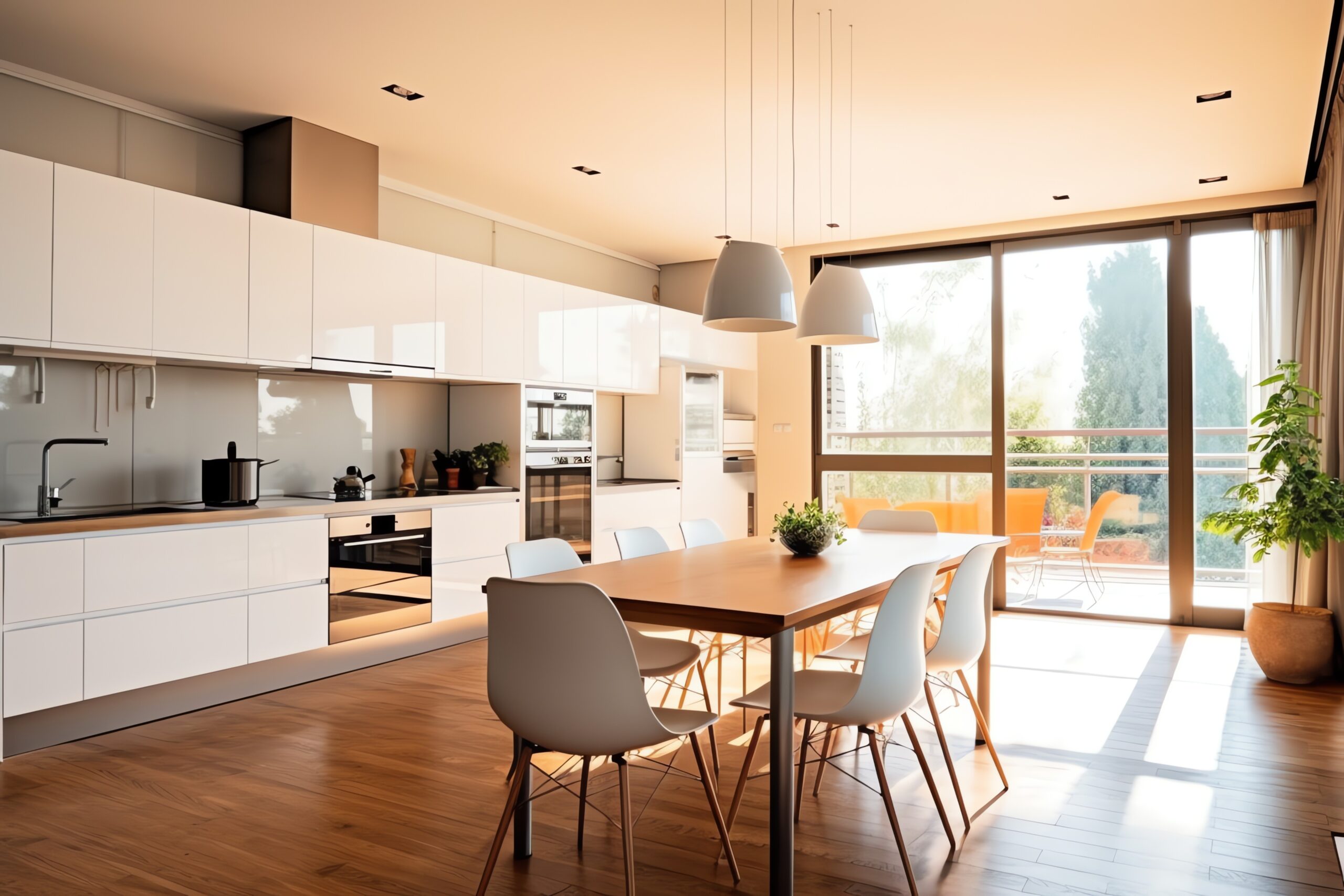
Most people are familiar with the basic kitchen design principles, such as scale and proportion, lighting, layout, storage, work zones, and the famous work triangle. These serve as the foundation for every successful project and help homeowners create efficient, functional, and beautiful-looking spaces. Even if you don’t know much about these fundamental rules, they’re pretty intuitive, and it’s quite easy to learn about them. There are countless books, blogs, and even entire websites dedicated to this topic.
However, beyond these universally recognized guidelines, there are other less obvious aspects to consider that many tend to ignore, which is a shame because these elements can make a notable difference in terms of functionality, style, and the overall feel of the space.
So in this blog, we’re not going to talk about the main components and big decisions, but instead focus all our attention on the small details that can have a big impact in the kitchen.
Hardware
Pulls, knobs, hinges, and fixtures are the unsung heroes of kitchen design. They play a crucial role in ensuring the kitchen runs smoothly and creating a cohesive look, but they’re not given the credit and attention they deserve. Just like fashion accessories complete an outfit and make it stand out, hardware complements the kitchen design and brings everything together. So, it’s time to acknowledge their contribution and make the most of these finishing touches.
It’s important to focus on several aspects when choosing kitchen hardware. The first one is the finish, as you have various options to choose from. Polished chrome, for instance, gives off a modern flair due to its high shine, while polished brass exudes vintage charm, being a perfect match for classic interiors. You can also opt for matte black, which is a great pick if you’re going for a bolder look, or brushed nickel, for a softer appearance that pairs well with almost all styles.
Next, you need to think about scale and placement. If you prefer a more contemporary look, bigger pieces are typically better suited, whereas smaller pulls and knobs work best in traditional kitchens. Placement is usually a matter of preference, but you also have to take into account how you use your furniture and what would feel more comfortable for you.
Lastly, you have to decide on a style. The items don’t have to match perfectly, but if you want to combine multiple styles, make sure they have something in common, like finish, shape, or colour; otherwise, you might end up with a disjointed and messy look.
Soft-close doors and drawers
You can never truly understand and appreciate the impact of soft-close doors and drawers until you’ve actually lived with them. Once you start using these systems, there’s no going back. Having your doors and drawers open or pull back softly and quietly with only a gentle touch, rather than applying force, adds a touch of luxury and refinement to your kitchen. Besides, if you ever go into a rage fit while you’re in the kitchen, taking it out on your doors and drawers won’t be an option, because you won’t be able to slam them shut.
All jokes aside, the smoothness of soft-close mechanisms is a great addition to a kitchen, with the comfort and convenience it provides. It’s small things like these that can make chores feel less like a burden and ensure a more enjoyable day-to-day experience.
Fingerprint-resistant surfaces
With kitchens seeing so much action, it might seem like all you ever do is clean and then clean some more, battling fingerprints, smudges, and grime, which is definitely not the most pleasant way to spend your time. You might think this never-ending cycle is not something you can escape since kitchens get dirty easily, especially if you like to cook and entertain often. But you can certainly cut down on the frequency and time you spend cleaning if you’re smart when choosing your units.
It’s best to go for a matte finish instead of a glossy one because marks are more visible on reflective surfaces. But what if a handleless high gloss kitchen is more up your alley? Should you avoid it because it’s less practical maintenance-wise? Not necessarily. While matte kitchens are generally better at hiding imperfections, some high gloss units are covered with anti-fingerprint coating that makes them more resistant to dirt and easier to clean. Darker colours or a laser or laminate finish are also recommended if you want to stick to gloss.
Outlet placement
Most people don’t give outlets much thought until they either discover they don’t have one where they need it or the existing ones clash with the design. You can avoid both scenarios if you put a bit of thought into your outlet placement. Solutions include installing outlets under the cabinets, where they are out of sight but still easily accessible, using pop-out outlets that can be integrated in different zones like kitchen islands, or setting up in-drawer charging stations – a smart way to charge your devices without them getting in the way.
Hidden appliances
Modern, highly-efficient appliances are a must if you want to simplify your tasks, save time and energy, but you don’t have to put them all on display. In fact, having too many appliances scattered around the kitchen can disrupt the visual harmony and make the space feel cluttered. The solution is not to get rid of them but to make them less obtrusive through smart storage. Hiding appliances behind cabinet panels that match your kitchen units can be an easy and affordable fix in this case.
It’s the finer details, the ones that often go unnoticed, that can make the biggest difference in the kitchen. So, if you want to elevate your kitchen, both in terms of functionality and looks, keep these aspects in mind and make the necessary upgrades.