






















































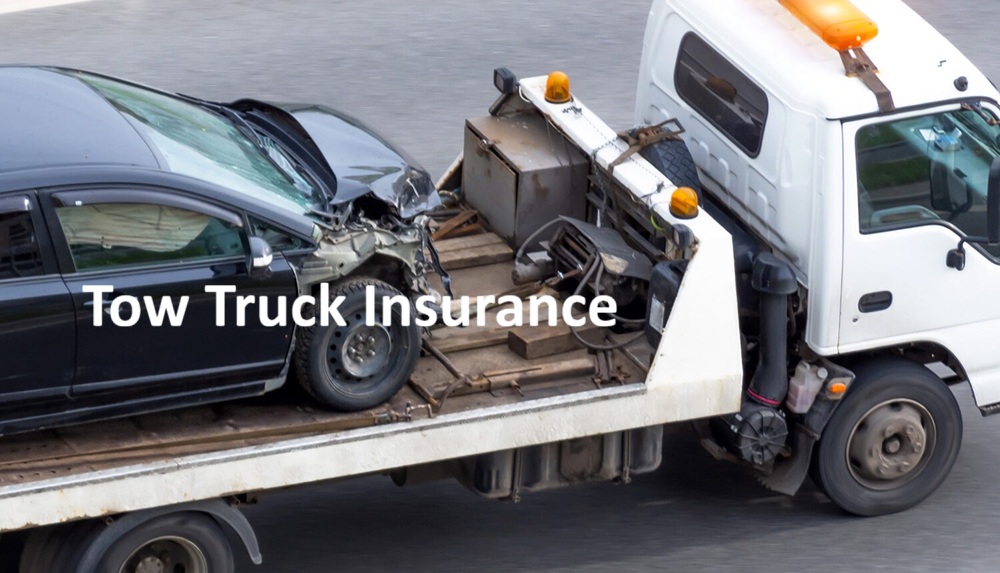
Running a tow truck business comes with unique risks. From road accidents to property damage, tow truck operators are exposed to a variety of potential liabilities. That’s why tow truck insurance isn’t just a good idea—it’s essential. Whether you own a single tow truck or manage an entire fleet, understanding the nuances of insurance coverage can save your business from catastrophic financial loss. In this guide, we’ll break down everything you need to know about tow truck insurance, how it works, the types of coverage available, and tips for choosing the best policy.
What Is Tow Truck Insurance and Why Do You Need It?
Tow truck insurance is a specialized type of commercial vehicle insurance designed to protect tow truck operators from financial losses resulting from accidents, damages, or liability claims. Unlike standard auto insurance, tow truck insurance accounts for the unique risks associated with towing vehicles, including transporting damaged or illegally parked cars, roadside recovery, and heavy-duty hauling.
Tow trucks operate in environments with high risk. Think about it: navigating congested streets, lifting damaged cars onto the bed, or responding to emergencies at odd hours. A single mishap could result in significant financial exposure. Tow truck insurance provides the safety net operators need to handle these risks without jeopardizing their livelihood.
Moreover, many states and municipalities legally require tow truck operators to carry minimum insurance coverage. Not having the appropriate coverage can result in hefty fines, license suspension, or even criminal liability if your truck causes property damage or injury during operations.
Types of Tow Truck Insurance Coverage
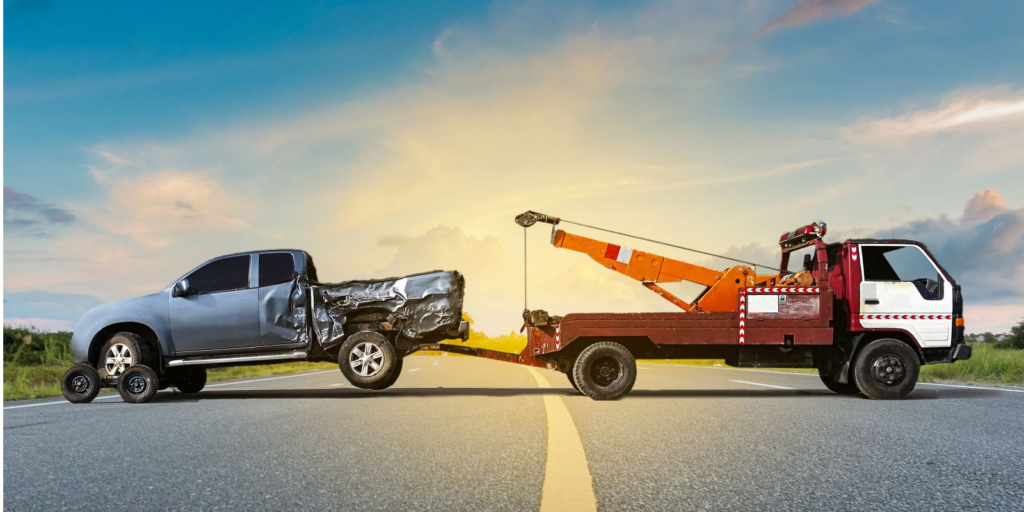
Tow truck insurance is not a one-size-fits-all policy. Depending on the size of your operation and the types of services you provide, you may need different kinds of coverage. Here’s a detailed look at the most common types:
1. Liability Insurance
Liability insurance is the foundation of any tow truck insurance policy. It covers damages to other vehicles or property if you are at fault in an accident. Additionally, it can cover medical expenses for injuries caused to others during a towing incident.
For tow truck operators, liability coverage is particularly important because the very nature of towing can create high-risk scenarios. When lifting and transporting another vehicle, even minor mistakes can result in serious accidents. Liability coverage ensures that your business isn’t financially ruined due to a single mishap.
Liability insurance typically comes in two forms: bodily injury liability and property damage liability. Both are often legally required, but minimum limits vary by state. It’s crucial to consult a licensed insurance agent to determine the appropriate amount for your business.
2. Physical Damage Coverage
Physical damage coverage protects your tow truck itself. This includes collision coverage, which pays for damages to your vehicle in case of an accident, and comprehensive coverage, which covers non-accident-related damages like theft, vandalism, or natural disasters.
Tow trucks are expensive assets, often costing tens of thousands of dollars. Physical damage insurance ensures that you can repair or replace your truck without suffering major financial strain. If your tow truck is out of commission, it directly impacts your ability to earn money, making this coverage essential for maintaining business continuity.
3. Garage Liability and On-Hook Coverage
Garage liability insurance covers claims that occur on your business premises or while storing vehicles temporarily. On-hook coverage, sometimes called tow operator insurance, protects the vehicles you are towing.
Accidents can happen while a car is being towed—like a car slipping off the hook or being damaged during transport. On-hook coverage ensures that you are protected financially if the vehicle you are towing suffers damage while in your care. This is particularly important for operators who tow high-value vehicles.
4. Workers’ Compensation
If your tow truck operation has employees, workers’ compensation is a must. It covers medical expenses and lost wages if an employee is injured on the job. Given the physically demanding and sometimes dangerous nature of towing, this coverage is vital.
Workers’ compensation not only protects your employees but also shields your business from potential lawsuits related to workplace injuries. Some states make it mandatory for businesses with employees, so failing to have coverage can lead to legal trouble.
Factors That Affect Tow Truck Insurance Rates
Tow truck insurance rates are not static—they fluctuate based on a variety of factors. Understanding these factors can help you find more affordable coverage without sacrificing protection.
1. Type and Size of Tow Truck
Heavy-duty tow trucks generally cost more to insure than light-duty trucks due to their higher value and increased risk of damage. Similarly, specialized trucks like flatbeds or rollback trucks may have different coverage needs, which can affect premiums.
2. Driving Record
Insurance companies closely examine the driving records of tow truck operators. A history of accidents, traffic violations, or claims can significantly increase premiums. Operators with clean driving records, on the other hand, may qualify for discounts.
3. Location
Where your business operates can impact insurance rates. Urban areas with high traffic density, for instance, often carry higher premiums due to the increased likelihood of accidents. Some areas may also have higher theft or vandalism rates, which insurers consider when setting rates.
4. Coverage Limits and Deductibles
Higher coverage limits provide greater protection but come with higher premiums. Conversely, choosing higher deductibles can reduce the monthly premium but increases out-of-pocket expenses in the event of a claim. Striking the right balance between limits and deductibles is crucial for managing costs effectively.
5. Business Size and Fleet
Businesses with multiple tow trucks often qualify for fleet insurance, which can reduce the per-vehicle cost. However, more vehicles also mean higher total risk exposure, so insurers will carefully evaluate the size and experience of your fleet before determining rates.
How to Choose the Right Tow Truck Insurance
Selecting the right tow truck insurance requires more than just comparing prices. You need a policy that aligns with your operational needs and risk profile. Here’s a step-by-step guide:
1. Assess Your Risks
Start by evaluating the specific risks your business faces. Do you mostly tow vehicles in urban traffic or rural highways? Do you transport high-value cars or handle roadside emergencies? Understanding your unique exposure will help you choose the right types and amounts of coverage.
2. Compare Policies
Not all tow truck insurance policies are created equal. Shop around and compare coverage options, limits, and exclusions. Pay attention to on-hook coverage, liability limits, and physical damage protections, which can vary significantly between providers.
3. Check Reputation of Insurer
It’s important to work with an insurer who understands the towing industry and has a solid track record of paying claims promptly. Read reviews, ask for references, and consider working with brokers who specialize in commercial vehicle insurance.
4. Consider Additional Coverages
Depending on your business model, you might need additional protections such as roadside assistance insurance, cargo coverage, or commercial umbrella policies for added liability protection. While these are optional, they can provide crucial financial safeguards.
5. Review Annually
Your insurance needs may change as your business grows. Review your policy annually to ensure it still matches your operational scope, vehicle types, and risk exposure. Adjusting coverage proactively can save money and prevent gaps in protection.
Common Mistakes Tow Truck Operators Make With Insurance
Even experienced operators sometimes make costly insurance mistakes. Here are a few to avoid:
- Underestimating Liability Needs – Tow trucks handle other people’s property, and a serious accident can easily exceed minimum coverage limits. Don’t cut corners on liability insurance.
- Ignoring On-Hook Coverage – Damaging a vehicle you’re towing can result in significant claims. Many operators overlook this essential coverage.
- Failing to Update Policy for New Trucks – Adding new vehicles or changing service types without updating your policy can leave you underinsured.
- Choosing Insurance Solely Based on Price – While saving money is important, a cheap policy with inadequate coverage can be far more expensive in the long run.
Benefits of Having Comprehensive Tow Truck Insurance
Investing in proper insurance offers more than just legal compliance—it provides peace of mind and financial security. Some key benefits include:
- Financial Protection: Covers damages, liability claims, and vehicle replacement costs.
- Business Continuity: Ensures your business can continue operating even after accidents or losses.
- Employee Safety: Workers’ compensation protects your team and reduces legal exposure.
- Client Trust: Being fully insured reassures clients that their vehicles are in safe hands.
Conclusion
Tow truck insurance is more than a regulatory requirement—it’s a critical part of running a safe and profitable towing business. From liability coverage to on-hook protection, each component serves a specific purpose in protecting your assets, your employees, and your clients. By understanding the different types of coverage, factors affecting rates, and best practices for selecting a policy, you can ensure your business is fully protected against the many risks of the towing industry.
The road may be unpredictable, but with the right insurance in place, your tow truck business can navigate it confidently, knowing you are covered every mile of the way.